
Classic Homemade Kimchi (Baechu-Kimchi)
 Condiment1h16 servingsMedium
About this recipe
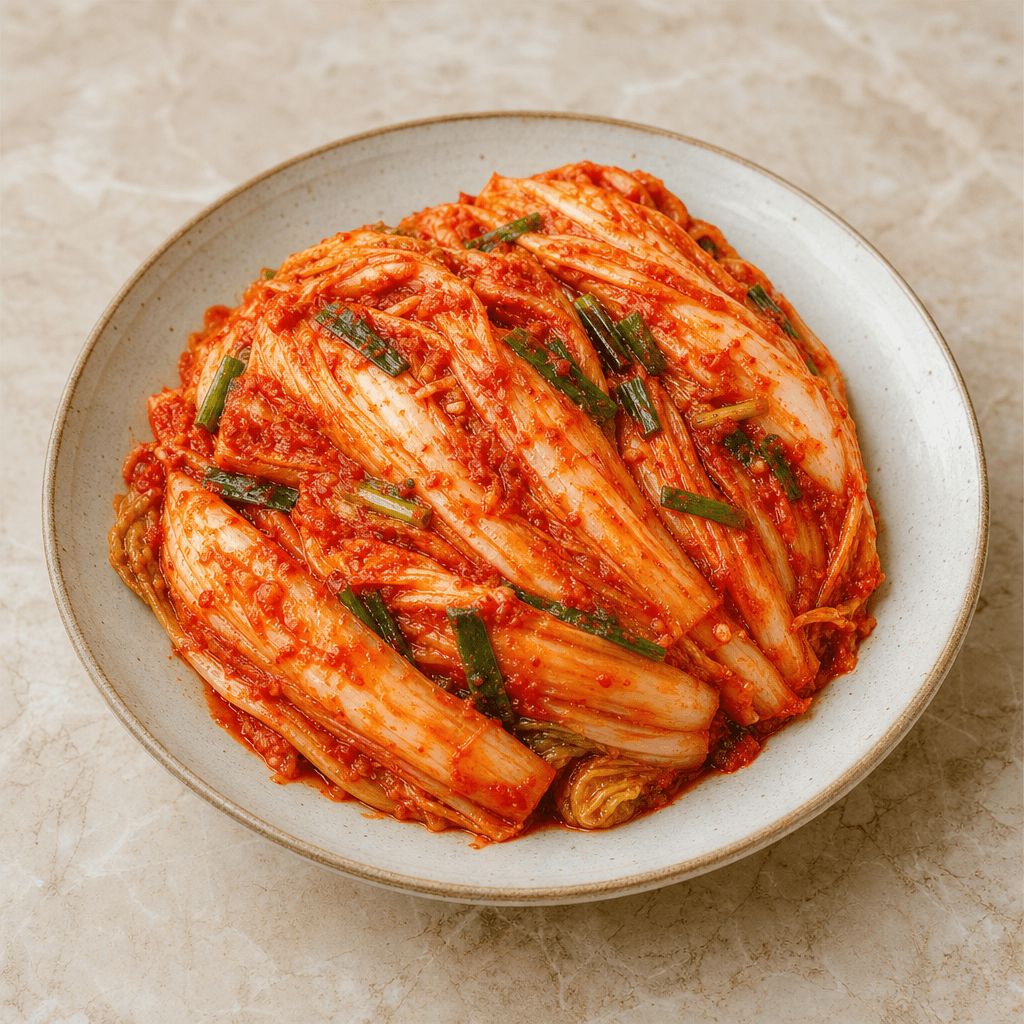
The gold standard of Korean fermented vegetables — crisp napa cabbage packed with a bold, savory gochugaru paste, garlic, ginger, and fish sauce. This tried-and-true home recipe walks you through every step, from salting the cabbage to packing the jars. The result is deeply flavorful kimchi that's tangy, spicy, and complex — perfect eaten fresh or fermented for weeks. Once you make it yourself, you'll never go back to store-bought.
Instructions
- 1
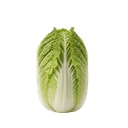
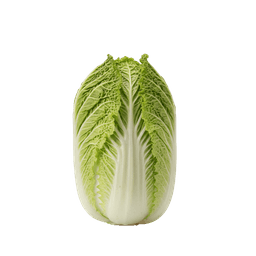
Cut the napa cabbage into quarters lengthwise, then chop crosswise into roughly 2-inch pieces. Place in a very large mixing bowl or clean pot.
- 2
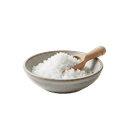
Sprinkle the kosher salt over the napa cabbage in layers, tossing to distribute evenly. Using your hands, massage the kosher salt into the napa cabbage for 2–3 minutes until it begins to soften slightly. Let it sit for at least 1–2 hours (or up to overnight), tossing every 30 minutes. The napa cabbage will release a significant amount of liquid and wilt considerably.
- 3
Rinse the salted napa cabbage thoroughly under cold running water 2–3 times to remove excess kosher salt. Taste a piece — it should be pleasantly salty but not overpowering. Transfer the rinsed napa cabbage to a colander and let it drain for at least 15–20 minutes. Gently squeeze out any remaining excess water with your hands.
- 4
In a small saucepan, whisk together the sweet rice flour and water until smooth. Heat ^[over medium], stirring constantly, until the mixture thickens into a translucent, pudding-like porridge, about 3–5 minutes. Remove from heat and let cool completely to room temperature.
- 5
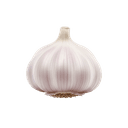
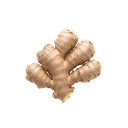
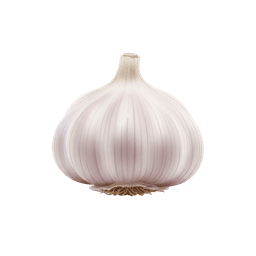
In a large mixing bowl, combine the cooled rice flour porridge, gochugaru, minced garlic, grated ginger, fish sauce, salted shrimp (if using), and granulated sugar. Stir everything together until a thick, uniform paste forms. Taste and adjust — add more gochugaru for heat, fish sauce for saltiness, or granulated sugar for balance.
- 6
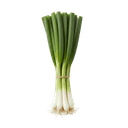
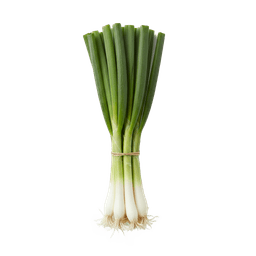
Add the drained napa cabbage, julienned daikon radish, and green onions pieces to the mixing bowl with the kimchi paste. Using clean hands (wear gloves — gochugaru stains!), toss and massage everything together until every piece of napa cabbage is thoroughly coated with the red paste. Work the paste into the vegetables evenly for 3–5 minutes.
- 7
Pack the kimchi tightly into clean glass quart jars (two 1-quart jars or one half-gallon jar), pressing down firmly after each handful to eliminate air pockets. The liquid released by the vegetables should rise to cover the kimchi. Leave at least 1–2 inches of headspace at the top of each jar — the kimchi will expand as it ferments.
- 8
Seal the jars and leave them at room temperature for 1–2 days to begin fermentation. Once or twice a day, open each jar and press the kimchi down firmly with a wooden spoon or your fingers (called 'burping') to release trapped gases and keep the vegetables submerged under the brine. You'll notice bubbles forming — that's good! Taste daily.
- 9
Once the kimchi reaches your preferred level of tanginess (usually after 1–2 days at room temperature in warm weather, or 2–3 days in cooler weather), transfer the jars to the refrigerator. Cold temperatures slow fermentation dramatically. The kimchi is delicious eaten fresh (geotjeori style), but deepens in flavor over 1–4 weeks in the fridge. It keeps well refrigerated for up to 3 months.