
经典自制泡菜(白菜泡菜)
 Condiment1小时16 份中等
关于此食谱
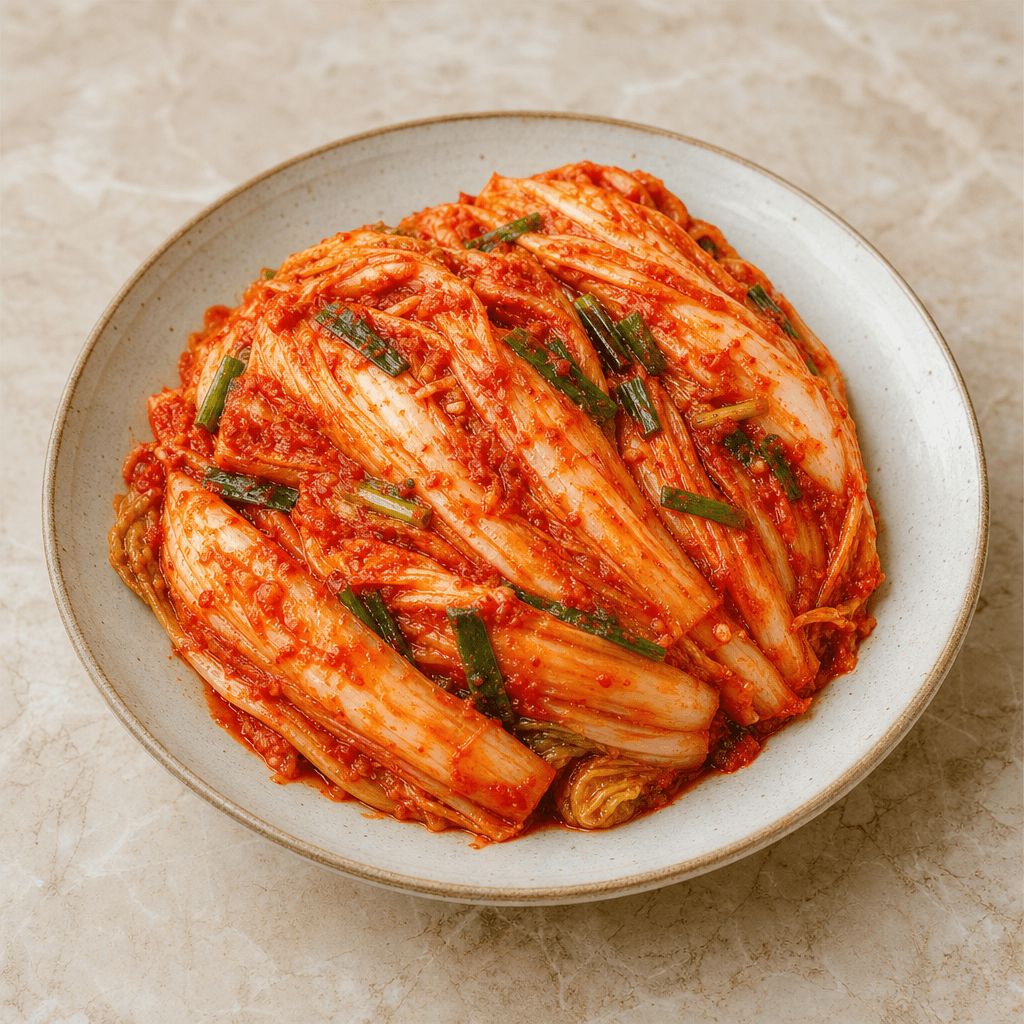
韩国发酵蔬菜的黄金标准——脆爽的结球白菜配上大胆浓郁的辣椒粉酱、大蒜、生姜和鱼露。这个经过验证的家庭食谱将指导你完成每一步,从腌制白菜到装罐。最终得到的泡菜深度浓郁,酸酸辣辣,复杂多层——无论是新鲜食用还是发酵数周都很完美。一旦自己制作过,你就再也不会回到店铺购买的泡菜了。
步骤说明
- 1
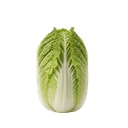
Cut the napa cabbage into quarters lengthwise, then chop crosswise into roughly 2-inch pieces. Place in a very large mixing bowl or clean pot.
- 2
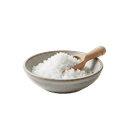
Sprinkle the kosher salt over the napa cabbage in layers, tossing to distribute evenly. Using your hands, massage the kosher salt into the napa cabbage for 2–3 minutes until it begins to soften slightly. Let it sit for at least 1–2 hours (or up to overnight), tossing every 30 minutes. The napa cabbage will release a significant amount of liquid and wilt considerably.
- 3
Rinse the salted napa cabbage thoroughly under cold running water 2–3 times to remove excess kosher salt. Taste a piece — it should be pleasantly salty but not overpowering. Transfer the rinsed napa cabbage to a colander and let it drain for at least 15–20 minutes. Gently squeeze out any remaining excess water with your hands.
- 4
In a small saucepan, whisk together the sweet rice flour and water until smooth. Heat ^[over medium], stirring constantly, until the mixture thickens into a translucent, pudding-like porridge, about 3–5 minutes. Remove from heat and let cool completely to room temperature.
- 5
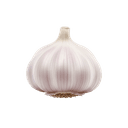
In a large mixing bowl, combine the cooled rice flour porridge, gochugaru, minced garlic, grated ginger, fish sauce, salted shrimp (if using), and granulated sugar. Stir everything together until a thick, uniform paste forms. Taste and adjust — add more gochugaru for heat, fish sauce for saltiness, or granulated sugar for balance.
- 6
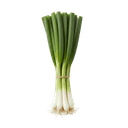
Add the drained napa cabbage, julienned daikon radish, and green onions pieces to the mixing bowl with the kimchi paste. Using clean hands (wear gloves — gochugaru stains!), toss and massage everything together until every piece of napa cabbage is thoroughly coated with the red paste. Work the paste into the vegetables evenly for 3–5 minutes.
- 7
Pack the kimchi tightly into clean glass quart jars (two 1-quart jars or one half-gallon jar), pressing down firmly after each handful to eliminate air pockets. The liquid released by the vegetables should rise to cover the kimchi. Leave at least 1–2 inches of headspace at the top of each jar — the kimchi will expand as it ferments.
- 8
Seal the jars and leave them at room temperature for 1–2 days to begin fermentation. Once or twice a day, open each jar and press the kimchi down firmly with a wooden spoon or your fingers (called 'burping') to release trapped gases and keep the vegetables submerged under the brine. You'll notice bubbles forming — that's good! Taste daily.
- 9
Once the kimchi reaches your preferred level of tanginess (usually after 1–2 days at room temperature in warm weather, or 2–3 days in cooler weather), transfer the jars to the refrigerator. Cold temperatures slow fermentation dramatically. The kimchi is delicious eaten fresh (geotjeori style), but deepens in flavor over 1–4 weeks in the fridge. It keeps well refrigerated for up to 3 months.