
Sourdough Bread
 Bread
Bread French25h 10m12 servingsHard
About this recipe
A classic, crusty sourdough loaf with a chewy open crumb and tangy depth of flavor — made the traditional way with an active starter, a long cold ferment, and a Dutch oven bake. This approachable home recipe rewards patience with bakery-quality results that fill your kitchen with an irresistible aroma.
Instructions
- 1
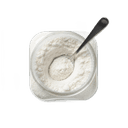
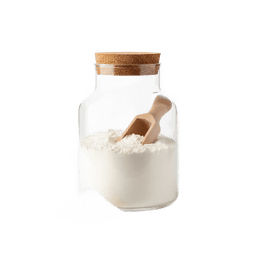
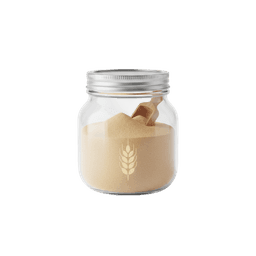
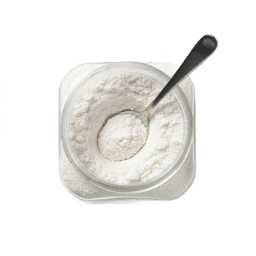
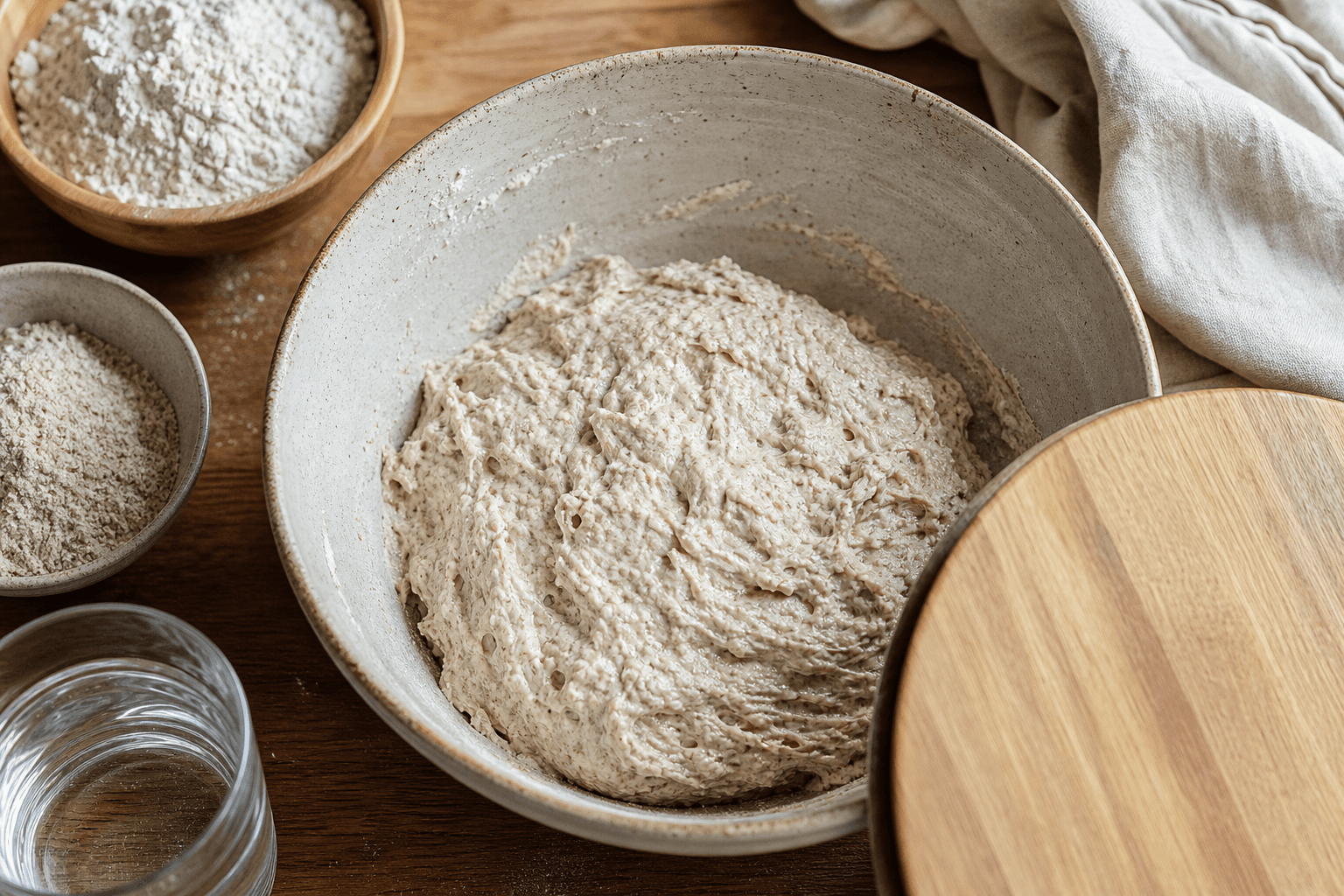
In a large mixing bowl, combine the bread flour and whole wheat flour. Add 350g of warm water and mix with your hands until no dry flour remains. Cover and let rest (autolyse) for 30–45 minutes. This step hydrates the flour and begins gluten development without any kneading.
- 2
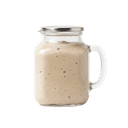
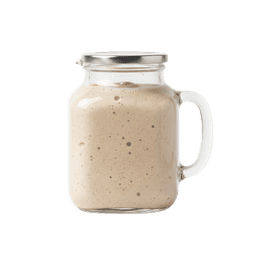
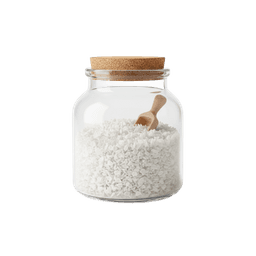
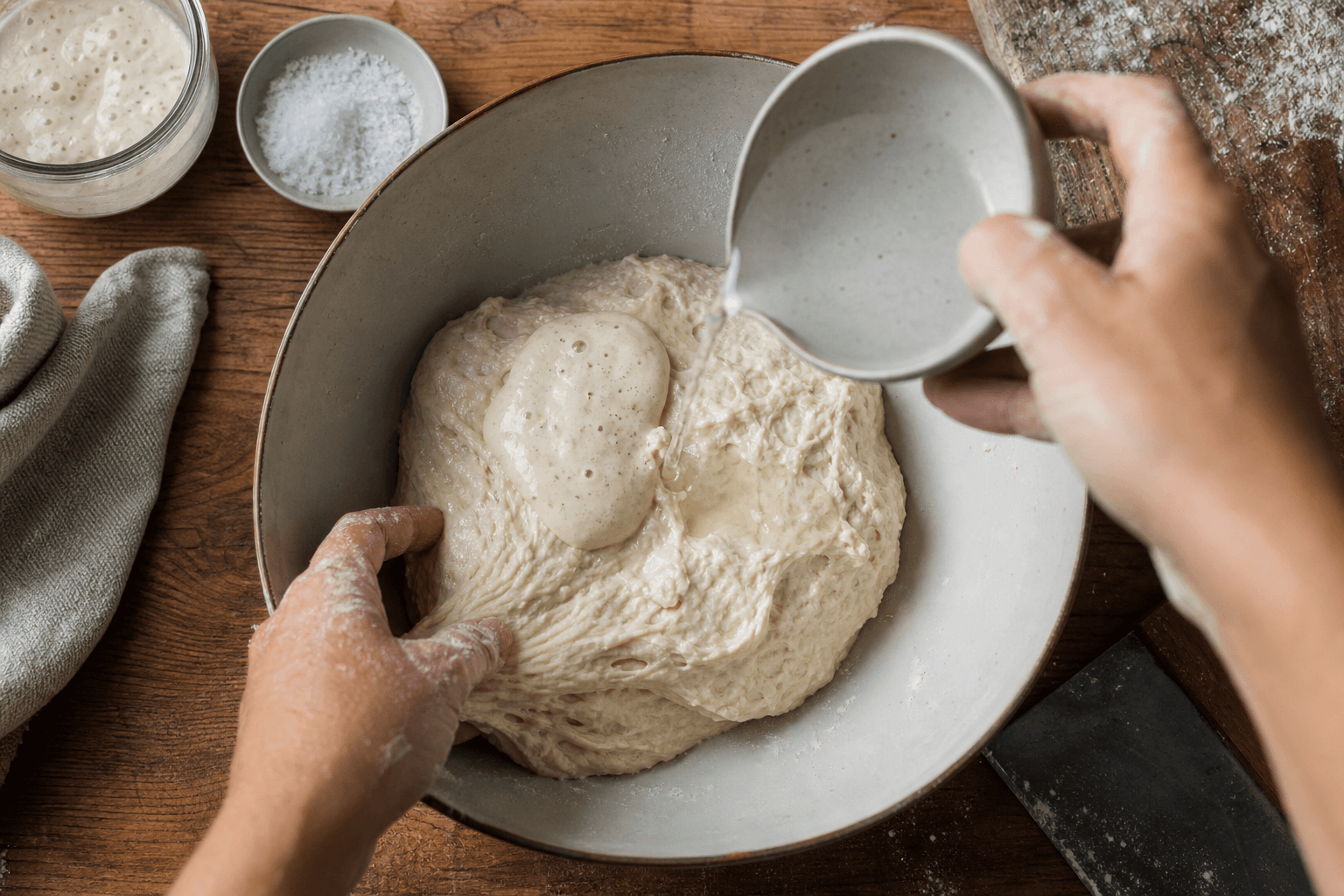
Add the active sourdough starter to the autolysed dough. Dissolve the fine sea salt in the remaining 25g of warm water, then pour it over the dough. Squeeze and fold the dough repeatedly until the starter and salt are fully incorporated and the dough feels cohesive, about 3–5 minutes.
- 3
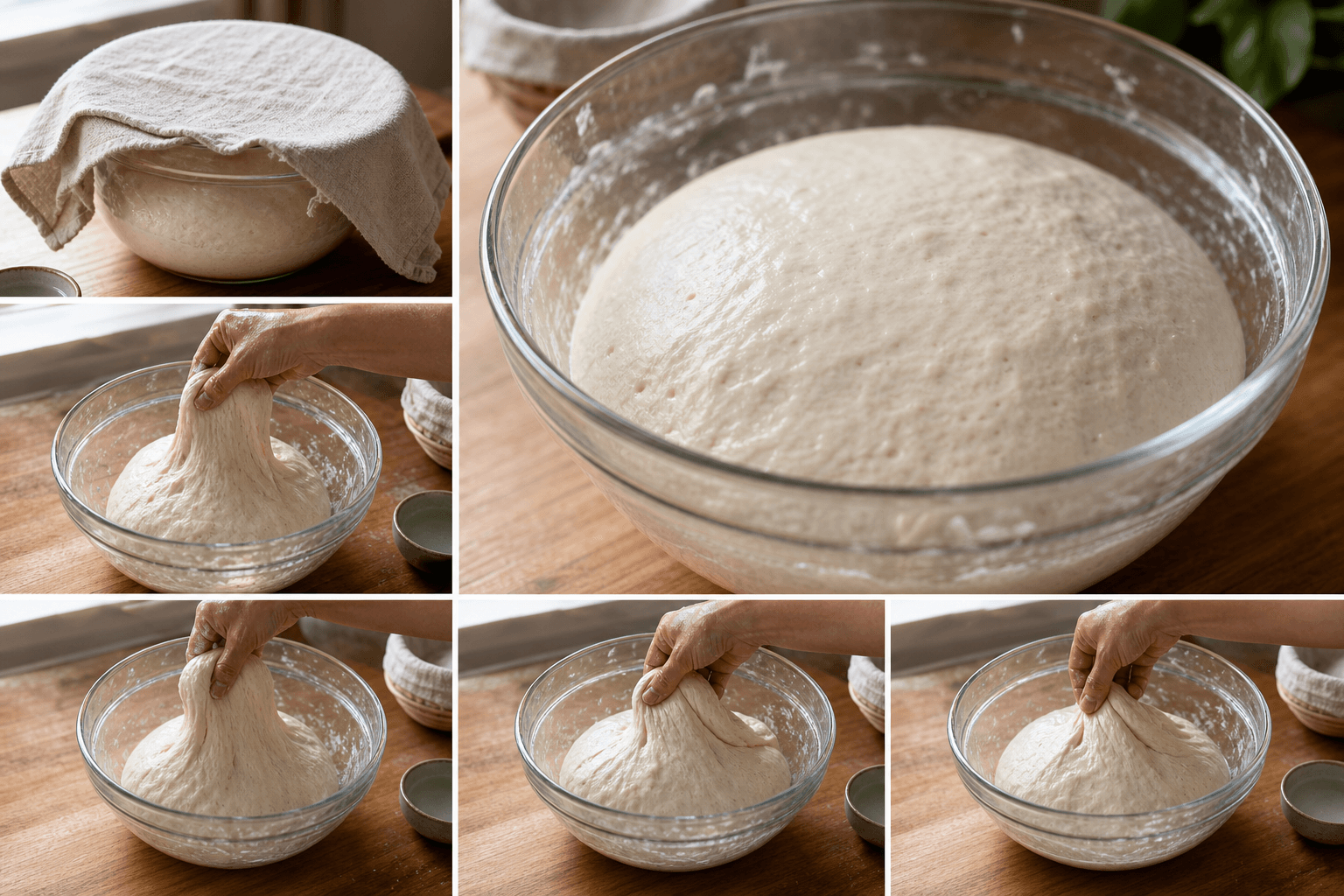
Cover the mixing bowl and let the dough bulk ferment at room temperature (![75–78°F]) for 4–5 hours. During the first 2 hours, perform a set of stretch-and-folds every 30 minutes (4 sets total): wet your hand, grab one side of the dough, stretch it up, and fold it over the center. Rotate the bowl 90° and repeat 4 times per set. After the folds, let the dough rest undisturbed until it has grown by about 50–75% and looks bubbly and airy.
- 4
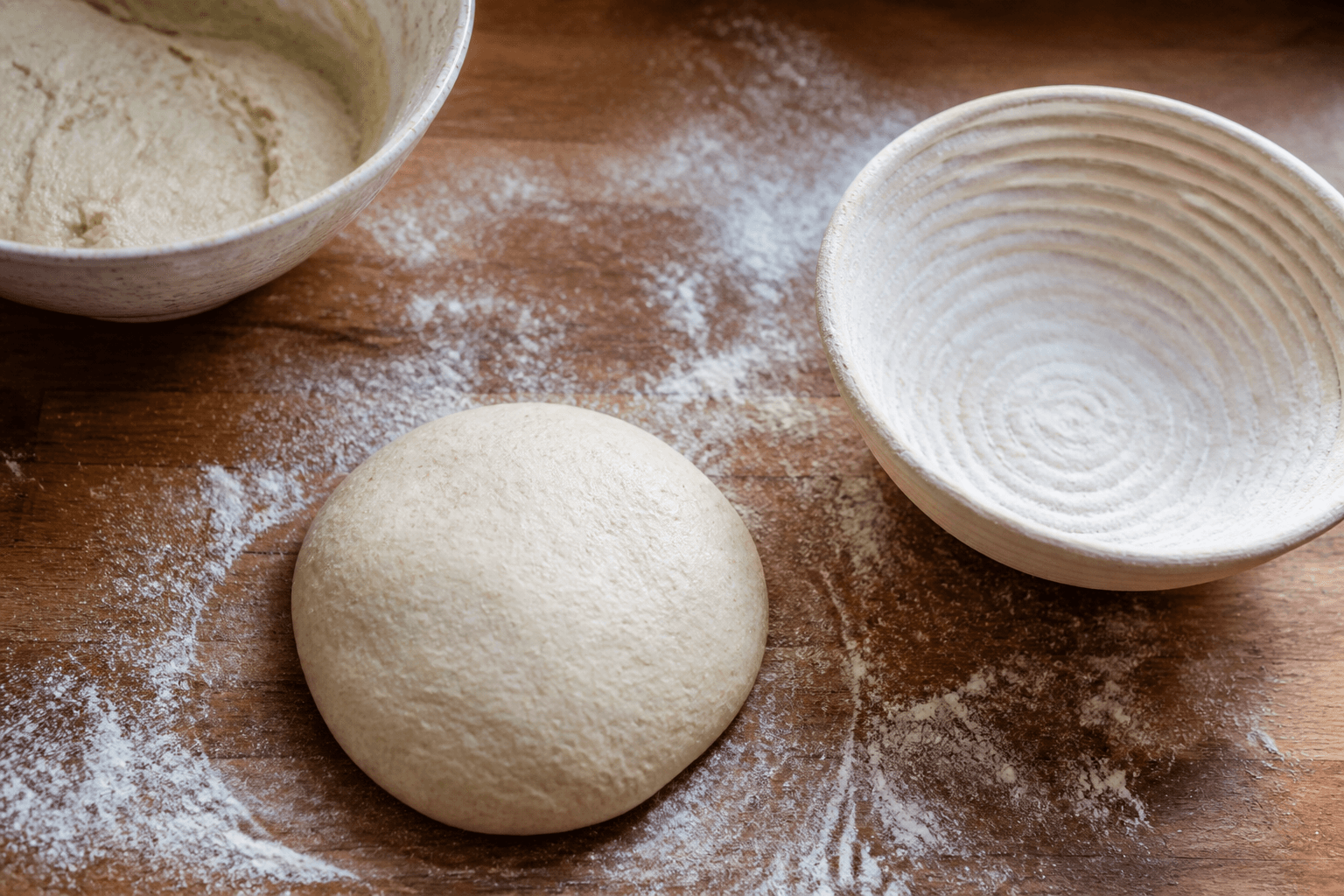
Lightly flour your work surface. Gently turn the dough out and pre-shape it into a rough round by folding the edges toward the center. Let it rest uncovered for 20–30 minutes (bench rest). Then flip the dough, fold the sides in, and roll it toward you to create surface tension, forming a tight boule. Dust a basket generously with a mix of white rice flour and bread flour to prevent sticking, then place the dough seam-side up into the basket.
- 5
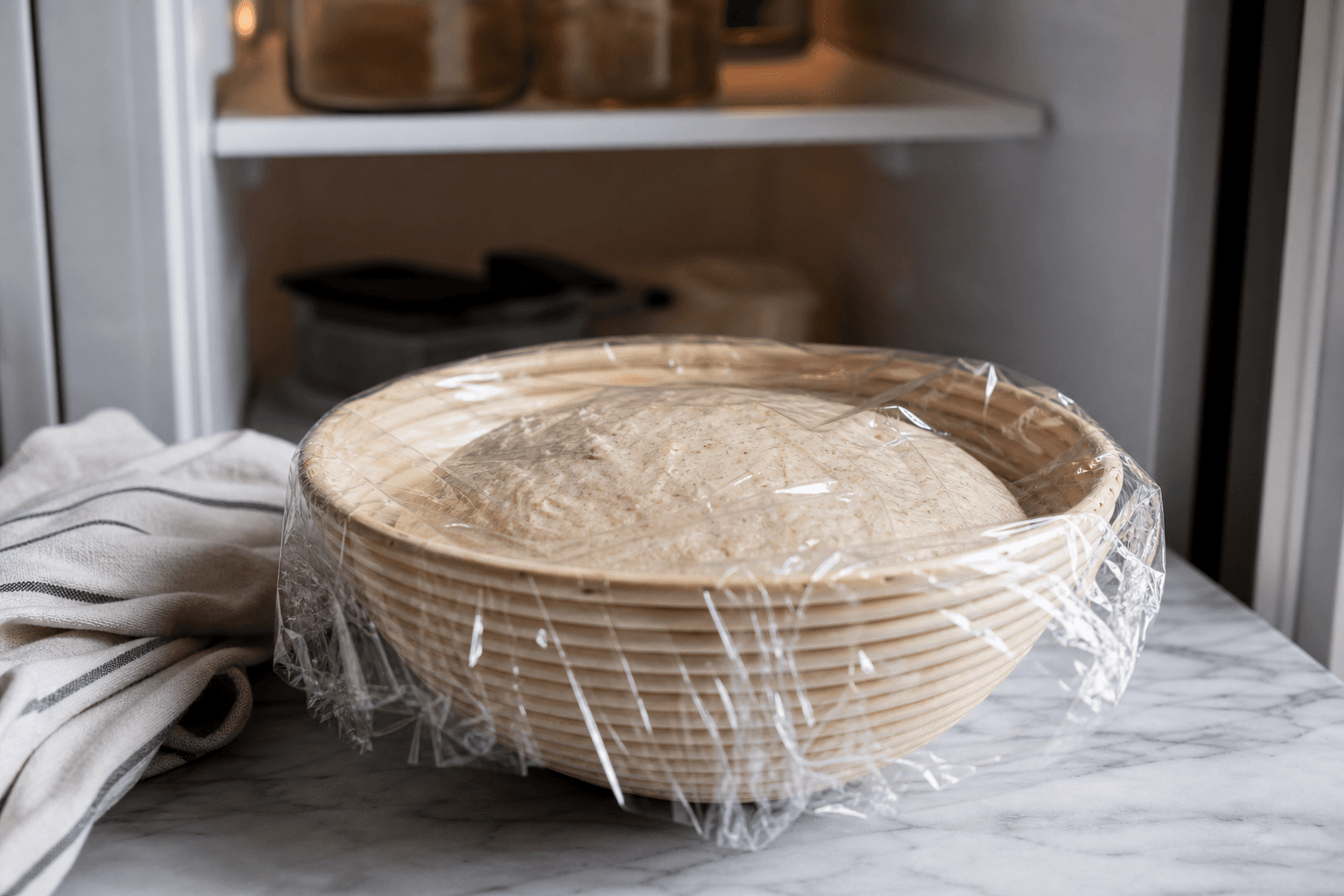
Cover the basket loosely with plastic wrap or a shower cap and refrigerate for 8–16 hours (overnight is ideal). The cold retard slows fermentation, deepens flavor, and makes the dough easier to score.
- 6
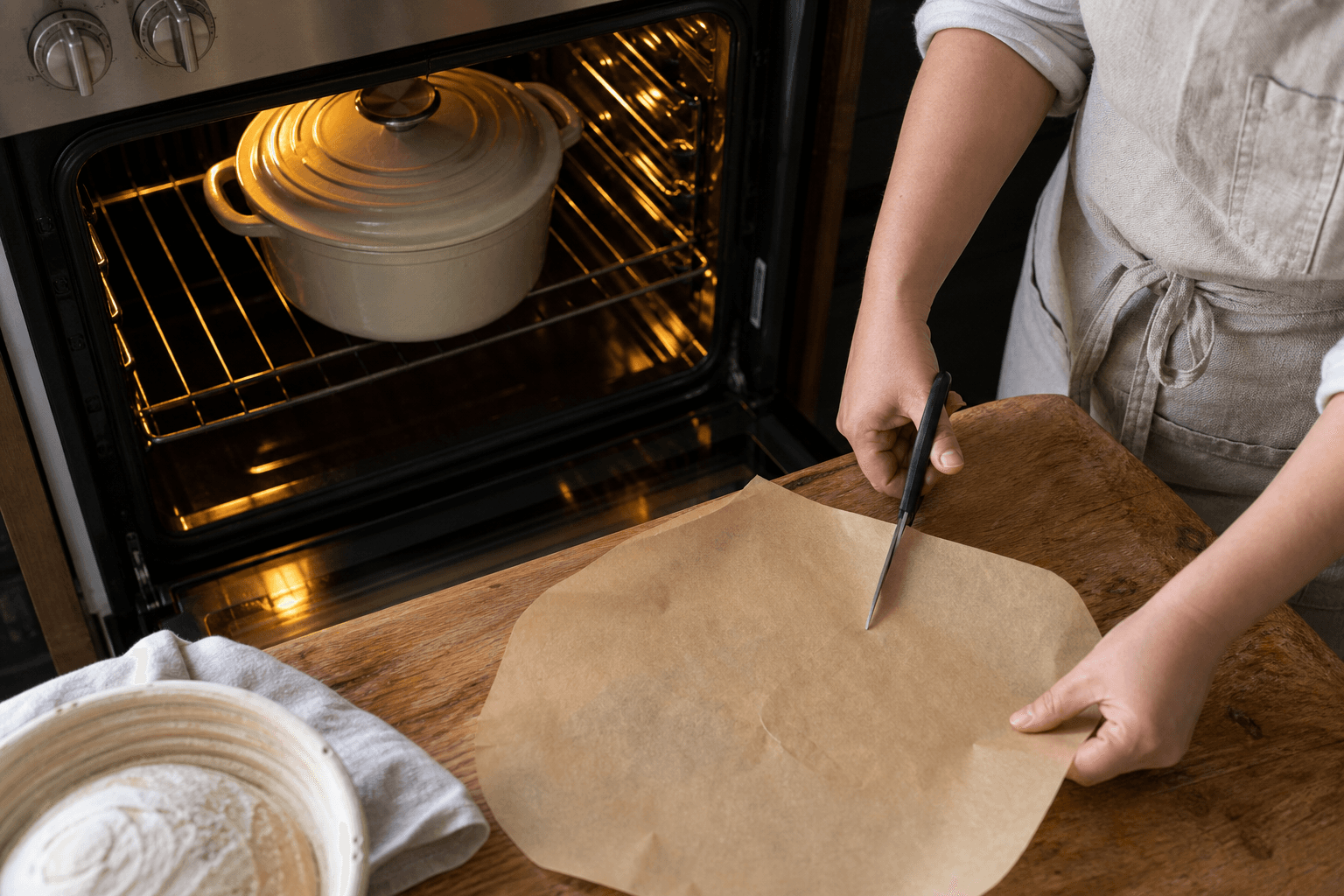
Place your Dutch oven (with its lid) in the oven and preheat to ![500°F] for at least 45–60 minutes — a very hot vessel is essential for oven spring and a crackly crust. While the oven heats, cut a piece of parchment paper to fit the bottom of the Dutch oven.
- 7
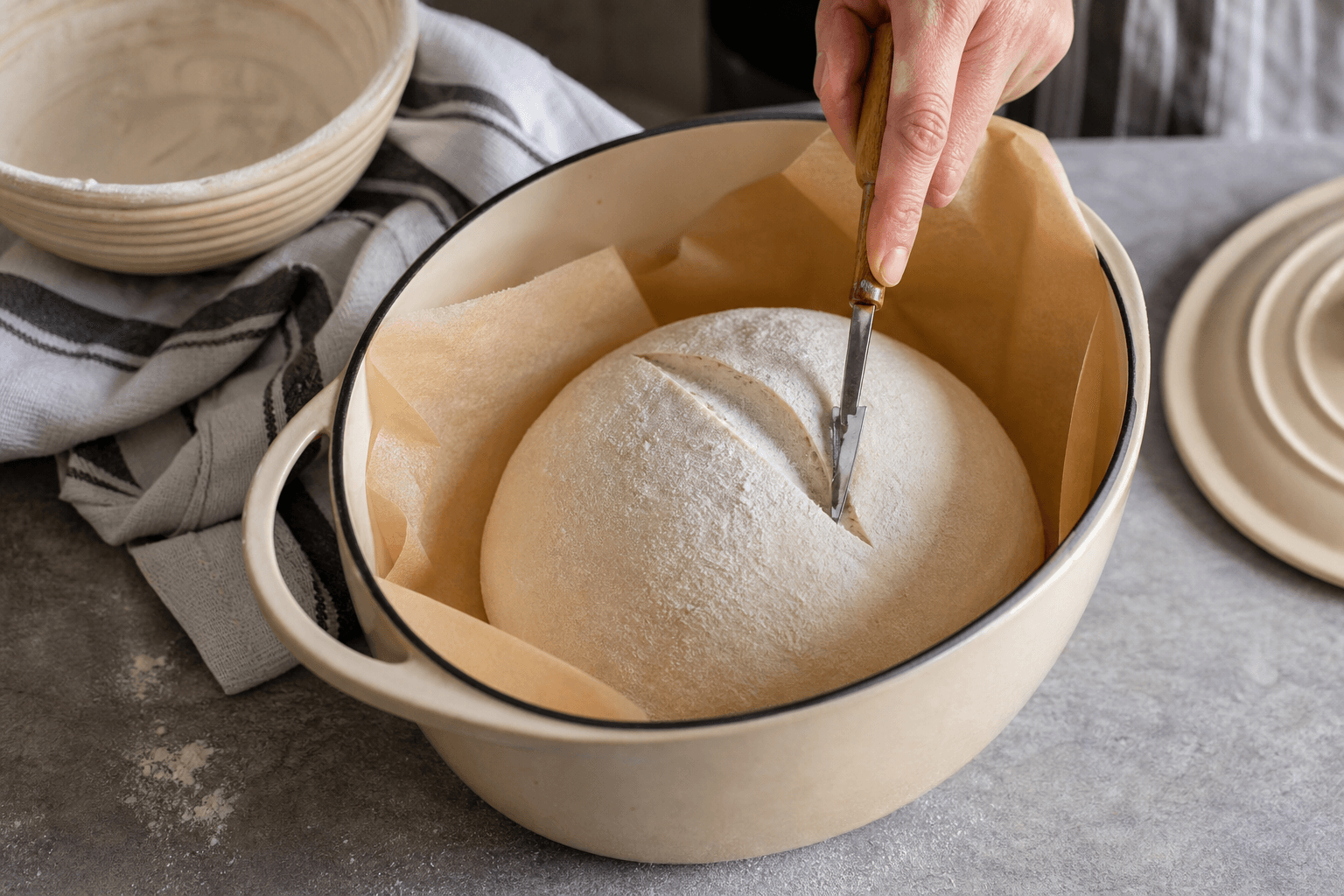
Remove the dough from the fridge. Flip it out onto the parchment paper, seam-side down. Using a lame or a very sharp knife, score the top of the loaf with one confident slash at a 30–45° angle (or a decorative pattern). Carefully lower the dough on the parchment into the screaming-hot Dutch oven. Cover with the lid and bake at ![500°F] for 20 minutes — the trapped steam creates the open crumb and blistered crust.
- 8
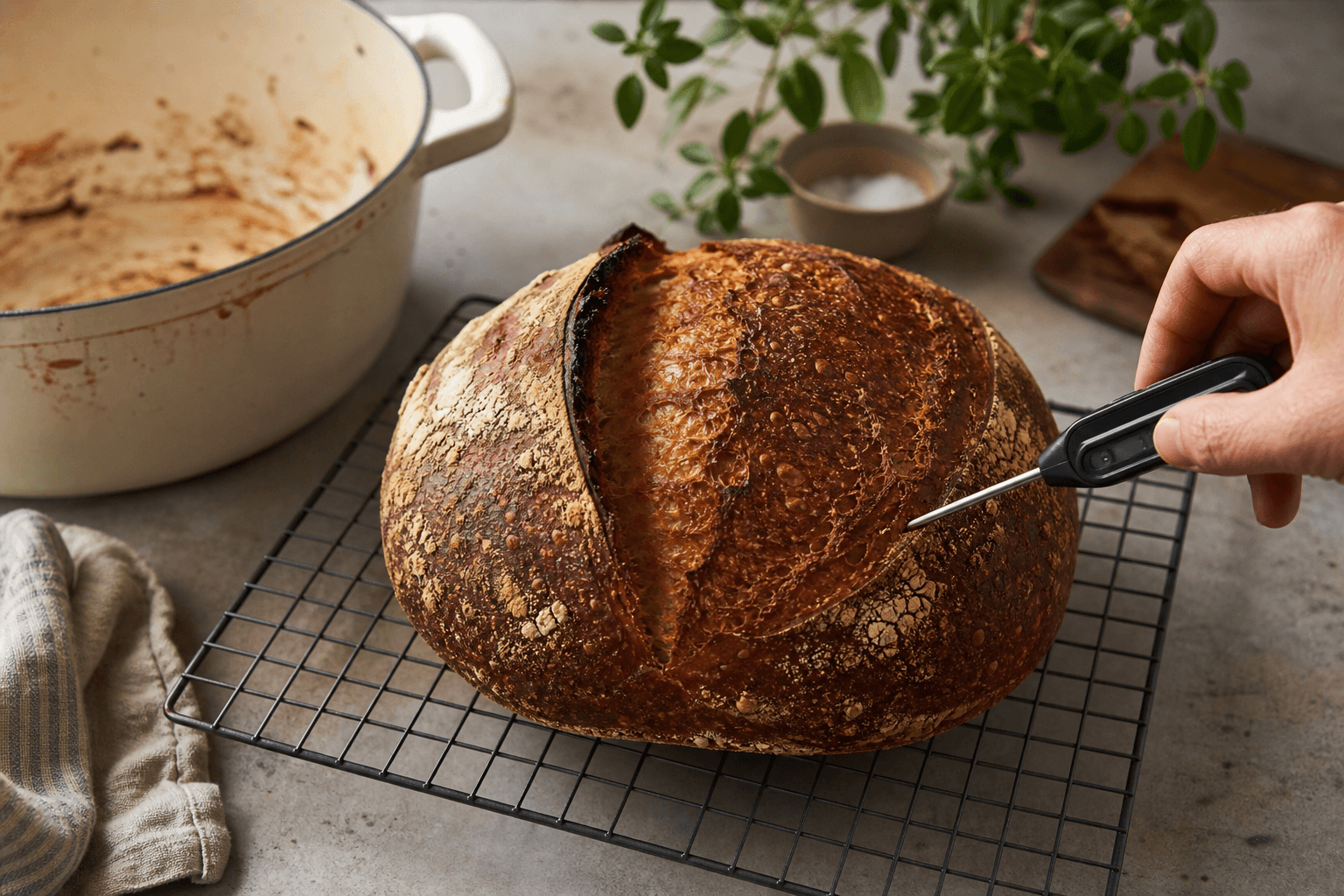
Remove the lid, reduce the oven temperature to ![450°F], and continue baking for 25–30 minutes until the crust is a deep mahogany brown. An internal temperature of %[205–210°F] confirms the loaf is fully baked. Transfer to a wire rack and resist cutting for at least 1 hour — the crumb continues to set as it cools.