
饭团(日式米球)
 小吃50 分钟4 份简单
关于此食谱
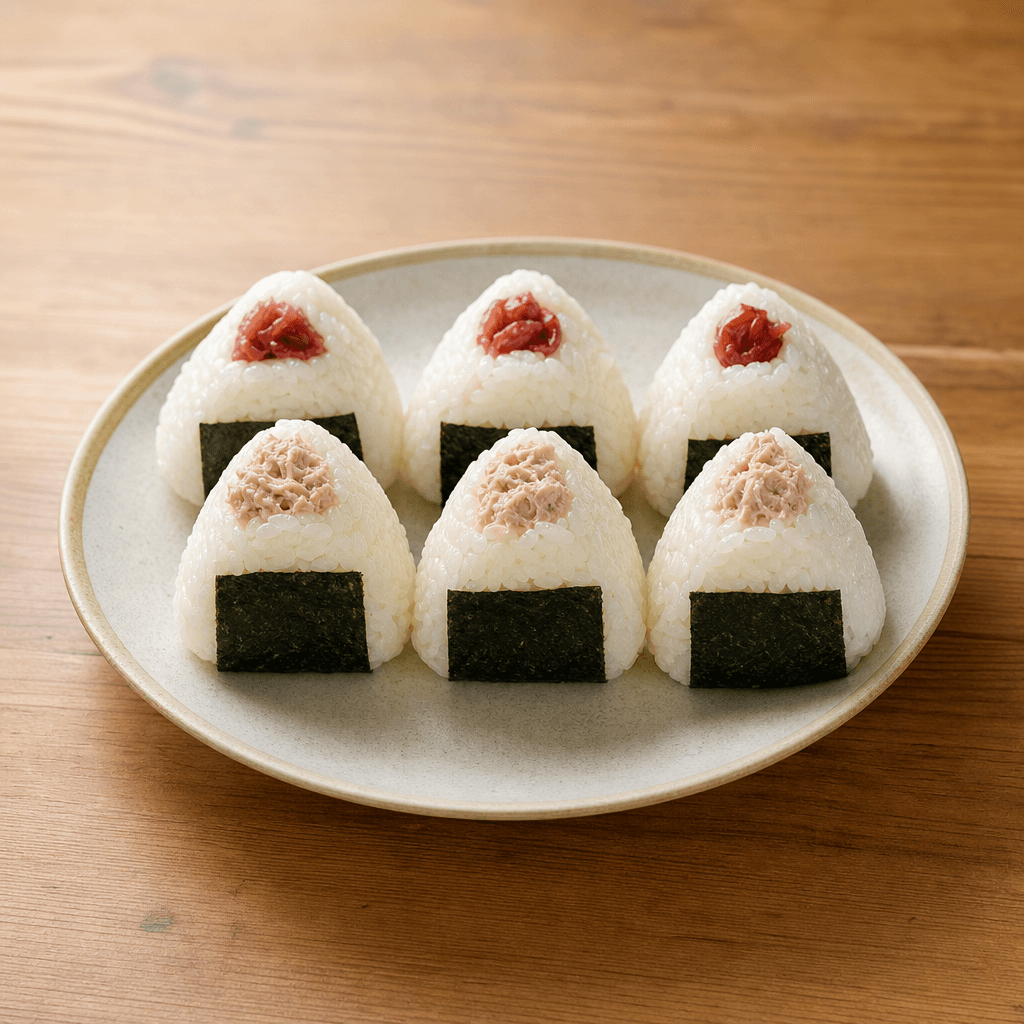
饭团是终极日式舒适食物——手工压制的米球,填充咸味馅料,包裹脆海苔。简单、令人满足,且无限可定制,它们是日式家庭烹饪、便当和便利店的主食。这个可靠的家庭食谱将指导您制作完美调味的寿司米、两种经典馅料(金枪鱼美乃滋和梅干)以及传统的三角形塑形技术。一旦掌握要领,您将反复制作这些饭团。
步骤说明
- 1
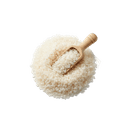
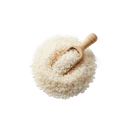
Place the Japanese short-grain white rice such as Koshihikari or Calrose in a Sieve or Mixing Bowl and rinse under ^[cold running water], gently swishing with your hand, until the water runs nearly clear — about 3 to 4 rinses. This removes excess surface starch and is the single most important step for great onigiri rice. Drain well.
- 2
Combine the rinsed Japanese short-grain white rice such as Koshihikari or Calrose and 2¼ cups of Cold water in a Saucepan. Let the rice soak for 10 minutes before cooking — this helps it cook evenly and become perfectly tender. (If using a Rice Cooker, add rice and water and cook on the white rice setting; skip steps 3–4.)
- 3
Bring the Japanese short-grain white rice such as Koshihikari or Calrose and Water to a boil ^[over medium-high heat] with the lid on. As soon as it reaches a full boil, reduce the heat to ^[the lowest setting] and cook, covered, for 13 minutes. Do not lift the lid during cooking.
- 4
Remove from heat and let the Japanese short-grain white rice such as Koshihikari or Calrose steam, still covered, for 10 minutes. This resting step is essential — it finishes the cooking and keeps the rice fluffy. Then uncover, add 1 tsp Salt, and gently fold it in with a Spatula using a cutting motion (don't stir or mash). Spread the rice out slightly to let steam escape, then let cool until just warm enough to handle, about 10–15 minutes.
- 5
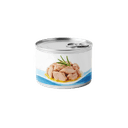
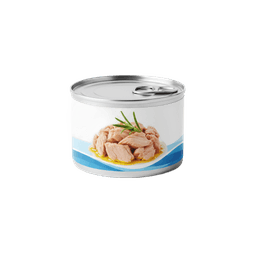
While the rice cooks and rests, prepare the Tuna mayo filling. Drain the canned Tuna very well — press it in the Colander with the back of a Wooden Spoon to remove as much liquid as possible. In a Mixing Bowl, combine the drained Tuna, Japanese mayonnaise, Soy sauce, and a pinch of Black pepper if using. Mix well and taste — it should be creamy, savory, and slightly rich. Set aside.
- 6
If your Umeboshi have pits, remove them now. Each Umeboshi will be used whole as one filling per onigiri. Their tangy, salty, and slightly fruity flavor is a beloved classic — no additional prep needed.
- 7
Set up your shaping station: a Mixing Bowl of Water mixed with a generous pinch of Salt (for your hands), the warm Japanese short-grain white rice such as Koshihikari or Calrose, your fillings, and the Nori strips laid out on a clean surface. Wet both palms with the salted Water — your hands should be damp but not dripping. This prevents the rice from sticking and lightly seasons the outside of the onigiri.
- 8
Scoop about ½ cup (roughly 100–110g) of warm Japanese short-grain white rice such as Koshihikari or Calrose into one palm and flatten it slightly into a disc. Make a small well in the center with your thumb. Add about 1 tablespoon of Tuna mayo filling (or 1 Umeboshi) into the well. Gently bring the edges of the rice up and around the filling to enclose it completely, forming a rough ball.
- 9
To shape into a triangle: cup the rice ball in both hands. Use the fingers and thumb of one hand to form a V-shape (like a peace sign), and use the palm of the other hand as a flat backing. Gently press and rotate the rice ball, applying even, firm pressure to form three flat sides and three defined corners. Aim for a compact, uniform triangle — rotate and press 4–5 times. Don't squeeze too hard; the rice should hold together but stay light, not dense. Re-wet hands between each onigiri.
- 10
Wrap the base of each onigiri triangle with a strip of Nori, shiny side out, pressing gently so it adheres. The nori should cover the bottom third of the triangle, giving you a handle to hold while eating. Sprinkle with toasted Sesame seeds if desired. Repeat with remaining Japanese short-grain white rice such as Koshihikari or Calrose and fillings to make 8 onigiri total (4 tuna mayo, 4 umeboshi).
- 11
Serve immediately while the Japanese short-grain white rice such as Koshihikari or Calrose is still slightly warm and the Nori is crisp. If packing for later, wrap each onigiri individually in Plastic Wrap to keep them moist. For the crispest nori, store the nori strips separately and wrap just before eating.